






23rd EALTA Conference
Language Assessment in Specific Contexts
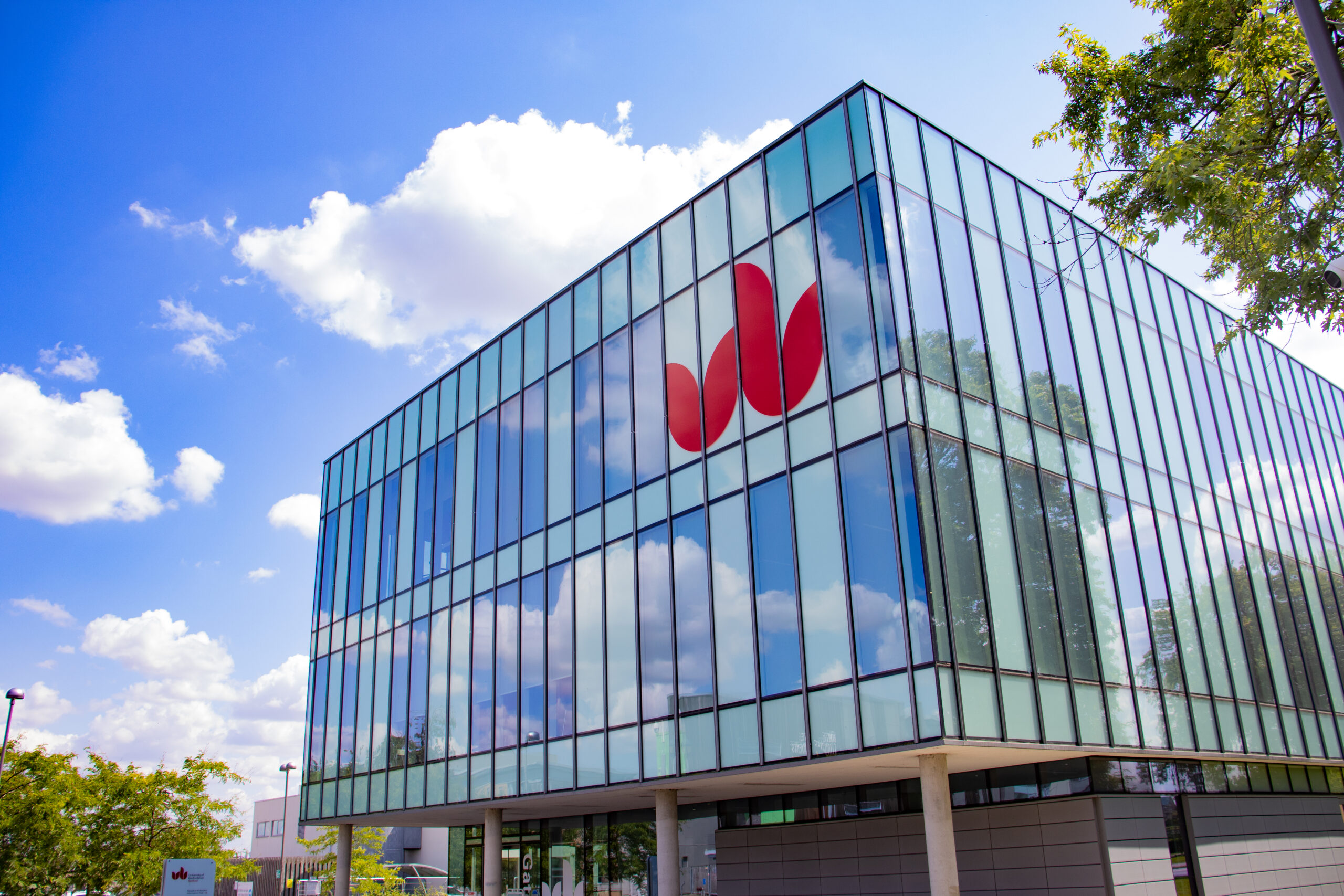
7-12 June, 2027, Bedford, UK
Language assessments are expected to provide valid, reliable, and comparable measures of language ability across diverse contexts and populations. And yet, we know that “one size does not fit all” (Dimova et al., 2020, p.27). Language use, learning, and assessment are very much embedded within particular contexts and influenced by myriad educational, professional, institutional, technological, cultural, social, economic, and political factors. These factors not only shape what is assessed but also how assessments are designed, implemented, interpreted, and used.
The 23rd EALTA Conference invites participants to explore the role of context in language assessment. We welcome contributions that examine how assessments are developed, adapted, implemented, and validated in response to the needs of specific learners, institutions, professions, and communities in light of ongoing global and local shifts (e.g., geopolitical, technological)
The conference provides an opportunity to consider how assessments can be meaningful across contexts while remaining relevant to local settings within accepted frameworks of validity, quality, comparability, and fairness. We encourage discussions of local tests, test localisation and test “glocalisation”, the interplay between global assessment frameworks and local needs, and the opportunities and challenges provided by evolving technologies and the shifting educational landscapes.
Possible topics include (but are not limited to):
- How assessment constructs change across educational, professional, or cultural contexts
- How tests can be adapted or localised without compromising validity or comparability
- What evidence is needed to validate an assessment for a specific context or population
- How contextual knowledge, familiarity, and resources influence test performance
- How local stakeholders can contribute to assessment design, standard setting, and interpretation
- How AI and digital technologies affect the contextual relevance and fairness of assessment