

British Council Jamie Dunlea Lecture: Assessment and feedback literacies in the context of GenAI: The centrality of design
Assessment design and implementation to cater for the realities of unlimited student use of GenAI represents one of the most compelling challenges currently facing universities. Rapid AI developments have outpaced institutional and teacher abilities to redesign assessments and develop teacher assessment literacy. This presentation discusses assessment literacy and feedback literacy by drawing on research both in language education and broader higher education pedagogy. Emphasis is placed on assessment design to encourage meaningful student work; and the design of feedback sequences to encourage generating and using feedback outputs from different sources (self, peers, GenAI, teachers).
Teacher assessment literacy is a well-known concept in language education (e.g. Vogt, Bøhn & Tsagari, 2024) and highlights the knowledge and skills that teachers need to design and implement assessment. The topic of student assessment literacy in language education is sorely under-investigated, although the pioneering work of Butler, Peng and Lee (2021) shows the potential of learners to elaborate their views of assessment. Students need assessment literacy competencies in understanding assessment tasks and standards; working with rubrics; carrying out peer review and self-assessment; and ethical responsibilities, including attribution and plagiarism.
In view of the vulnerability of conventional written assignments to sub-optimal student use of GenAI, a case is made for interactive oral assessment designs. Interactive oral assessment is generally regarded by students as authentic and meaningful; enhances academic integrity; is more interesting for teachers to assess than conventional written marking; and can be implemented flexibly, including with large classes (Sotiriadou et al. 2020; Ward et al. 2024).
I also highlight recent developments in teacher and student feedback literacy research in applied linguistics and broader higher education (Carless, 2026). Feedback literacies for GenAI are also considered, including the interplay between human and non-human sources of feedback. A key teacher role is less in giving feedback, and more focused on designing opportunities for students to generate, interpret and use feedback from different sources.
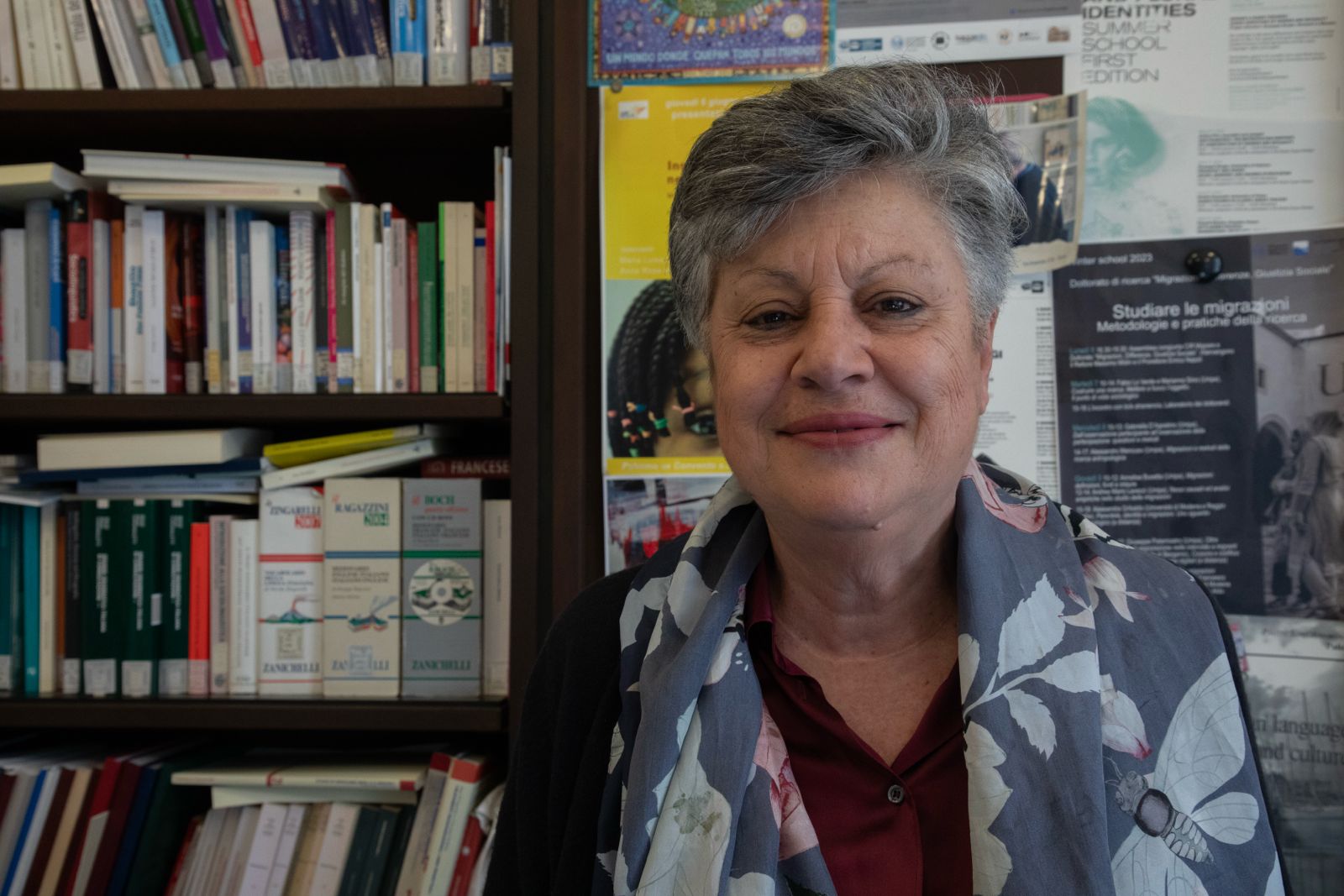
David Robert Carless
David Carless works as a Professor at the Faculty of Education, University of Hong Kong. He is one of the pioneers of feedback literacy research and is listed as a top 0.1% cited researcher in the Stanford top 2% list for social sciences. His books include Designing effective feedback processes in higher education: A learning-focused approach, by Winstone and Carless, 2019 published by Routledge. He was the winner of a University Outstanding Teaching Award in 2016. The latest details of his work are on his website: https://davidcarless.edu.hku.hk/.
Keynote: Nuove migrazioni tra repertori plurilingui e alfabetizzazione / New migrations between plurilingual repertoires and literacy
Questo intervento nasce dall’esperienza ormai ventennale di ‘immersione’ in un campo di ricerca nuovo: l’apprendimento linguistico di ‘giovani nuovi migranti’ (GNM) neoarrivati attraverso la rotta del Mediterraneo Centrale. A partire dal 2012 la Scuola di Lingua italiana per Stranieri (ItaStra) dell’Università di Palermo ha accolto ogni anno nelle sue classi dai 500 ai 1000 ragazzi (in prevalenza giovani uomini fra i 17 e i 24 anni che si muovono da soli). Negli anni abbiamo progressivamente messo a fuoco un profilo di apprendente nuovo, giovane, plurilingue, cresciuto all’interno di forme di super-multilinguismo fluido poco o per nulla gerarchizzato, abituato a continue pratiche di mediazione interlinguistica, spesso con bassa e nulla alfabetizzazione ma che nello stesso tempo ha importanti esperienze di connessione digitale, capace di utilizzare e arricchire le proprie risorse linguistiche durante tutto l’arco della vita. Grande è la distanza fra questo profilo e i modelli acquisizionali e glottodidattici nei quali noi docenti e ricercatori siamo immersi e importanti sono le domande che tutto questo pone anche alla ricerca e alle pratiche di costruzione di test e certificazioni sempre più diffusi, ma che ancora hanno come punto di riferimento principale pratiche monolingui e monologiche di apprendenti ad alta e media scolarità che provengono dal cosiddetto Global North. L’esperienza condotta in questi anni dentro il ‘laboratorio’ ItaStra ci spinge sempre più a pensare che il necessario cambiamento, o quantomeno arricchimento, del punto di vista, dei modelli, delle teorie, dei materiali, dei curricula, non sia cosa semplice e che siano necessarie prolungate forme di contaminazione fra aree di ricerca differenti e fra contesti educativi differenti.
This contribution stems from twenty years of ‘immersion’ in a new field of research: the language learning process of ‘young new migrants’ (YNM) recently arrived via the Central Mediterranean route. Since 2012, the Italian Language School (ItaStra) at the University of Palermo has welcomed between 500 and 1,000 students annually (predominantly unaccompanied young men aged 17 to 24). Over the
years, we have progressively identified a new learner profile: young, plurilingual, and raised within fluid forms of super-multilingualism with little to no hierarchy. These learners are accustomed to continuous interlinguistic mediation practices and often possess low or no literacy; yet, simultaneously, they maintain significant digital connectivity and are capable of utilizing and enriching their linguistic resources throughout their lives.
A substantial gap exists between this profile and the acquisitional and glottodidactic models in which we, as teachers and researchers, are immersed. This discrepancy raises critical questions for research and for the development of increasingly widespread testing and certification practices, which still primarily reference the monolingual and monologic practices of medium-to-highly educated learners from the Global North. Our experience within the ItaStra ‘laboratory’ increasingly suggests that the necessary shift—or at least the enrichment—of perspectives, models, theories, materials, and curricula is a complex undertaking, requiring prolonged ‘cross-fertilization’ and synergy between diverse research areas and educational contexts.
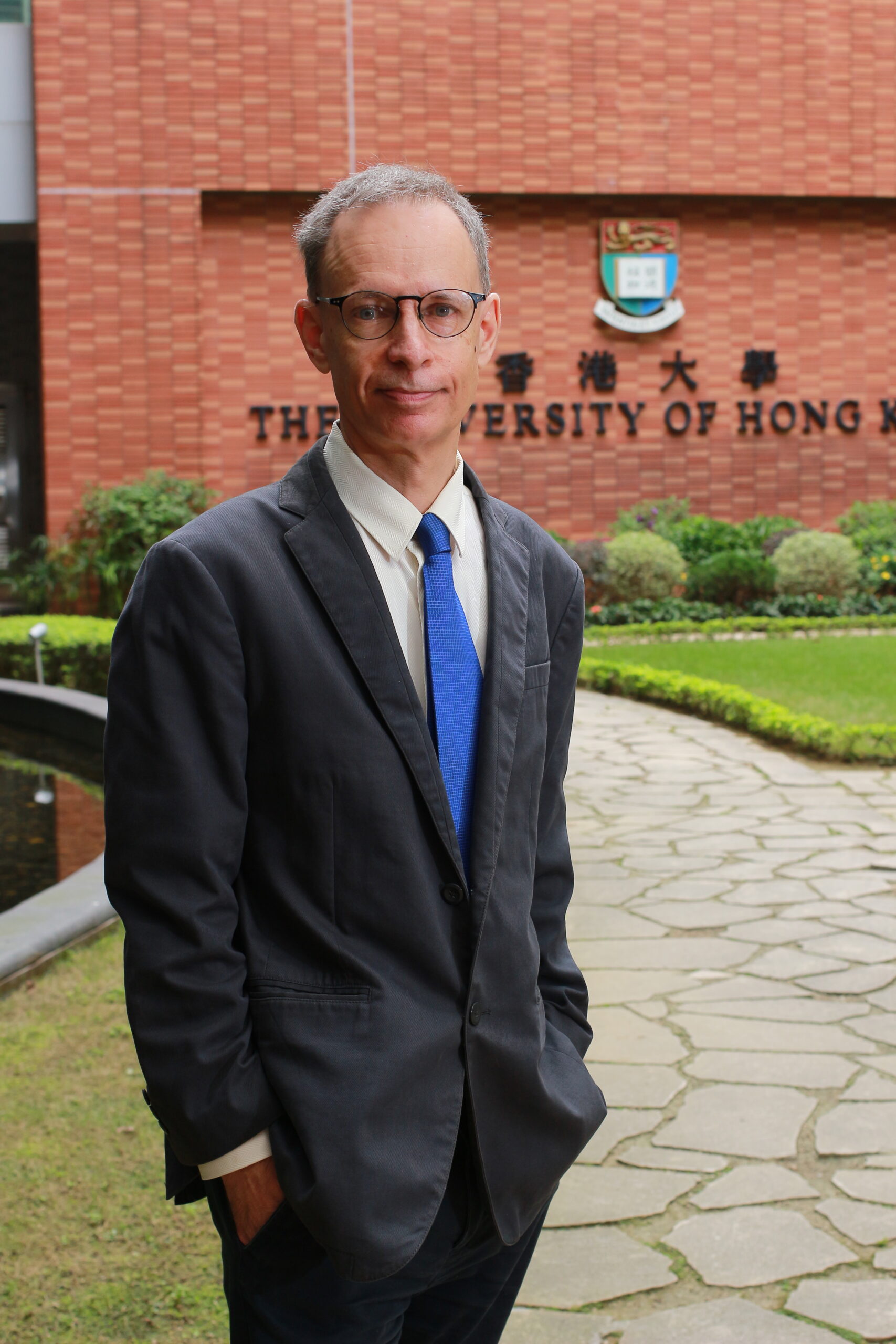
Mari D’Agostino
Mari D’Agostino is Full Professor of Italian Linguistics at the University of Palermo, where she directs the School of Italian Language for Foreigners (ItaStra) and is Principal Investigator of the PRIN 2022 project “Young New Migrants and Italian as a Non-Native Language between Spontaneous and Guided Learning.” Her work addresses theories of linguistic variation, the sociolinguistic repertoire of contemporary Italy, and the documentation of migratory multilingualism. Recent publications include Sociolinguistica dell’Italia contemporanea (with Giuseppe Paternostro, Il Mulino, 2025) and Noi che siamo passati dalla Libia. Giovani in viaggio fra alfabeti e multilinguismo (Il Mulino, 2021).